Chronic Kidney Disease/Polycystic Kidney Disease (PKD)
Adult Chronic Kidney Disease (CKD), Polycystic Kidney Disease (PKD) & Kidney Stone Nutrition Support
Have you been told you have kidney disease or recurring kidney stones... and now you're wondering what you're actually supposed to eat?
Maybe your doctor mentioned your kidney function has declined, your lab work isn't where it used to be, or you've been diagnosed with Chronic Kidney Disease (CKD), Polycystic Kidney Disease (PKD), or recurrent kidney stones. You searched online for answers, only to find page after page of conflicting advice.
One website says to eat tomatoes. Another says to avoid them.
One says bananas are healthy. Another says never eat bananas.
It's no wonder so many people leave feeling overwhelmed.
The truth is, kidney nutrition is never one-size-fits-all.
At Kendra's Kustom Nutrition, my goal is to help you understand why your nutrition recommendations are unique to you. Your nutrition plan should be based on your stage of kidney disease, current laboratory values, medications, treatments, blood pressure, kidney function, and overall health goals—not a generic food list from the internet.
Over my 16+ years as a Registered Dietitian, I've worked with many adults living with kidney disease and kidney stones. One of the biggest misconceptions I see is that everyone is told to avoid the same foods, when in reality, nutrition recommendations often change as your kidney function, treatments, and laboratory values change.
One of the things my clients appreciate most is finally understanding what their lab work actually means. During our sessions, we'll review your kidney function, medications, laboratory values, and health history so you leave feeling confident—not confused—about your nutrition plan.
Together, we'll work on:
- Understanding your kidney function and what your lab results actually mean
- Learning when sodium, potassium, phosphorus, protein, calcium, or fluids need attention—and when they don't
- Building balanced meals that support kidney health without unnecessary restrictions
- Managing diabetes, high blood pressure, or other conditions that affect kidney health
- Reading food labels with confidence
- Creating practical, sustainable nutrition habits that fit your lifestyle
- Collaborating with your nephrologist and healthcare team as your needs change
Kidney Stones: It's More Than Just Drinking Water
If you've experienced kidney stones, we'll also discuss the specific type of stone you've had and how nutrition can help reduce your risk of future stone formation.
For individuals with calcium oxalate kidney stones, nutrition recommendations may include evaluating foods naturally high in oxalates—but only when appropriate. Many healthy foods contain oxalates, so unnecessarily eliminating them can make your diet more restrictive than it needs to be.
We'll look at the whole picture, including:
- Stone type and stone analysis (when available)
- Kidney function
- Laboratory values
- 24-hour urine testing (when available)
- Medications
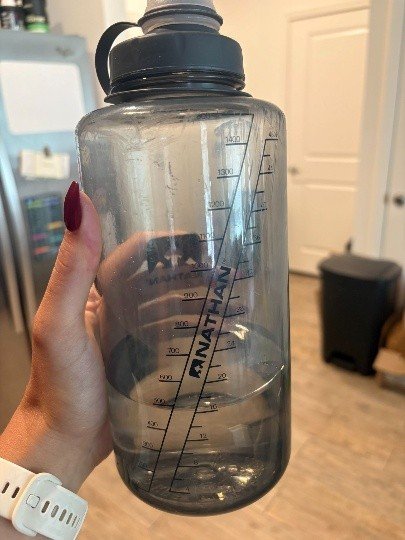
- Hydration
- Sodium intake
- Calcium intake
- Overall dietary patterns
Many people are surprised to learn that preventing calcium oxalate stones isn't simply about avoiding oxalates. In fact, getting adequate calcium from food with meals often helps bind oxalates in the digestive tract, reducing how much is absorbed. That's why individualized guidance matters so much.
As both a Registered Dietitian and an ACE Certified Health Coach, I know lasting improvements happen through realistic lifestyle changes—not restrictive diets. Using evidence-based behavior change strategies, I'll help you build habits that support your kidneys while still allowing you to enjoy food and everyday life.
When appropriate, I'm happy to collaborate with your nephrologist, urologist, primary care provider, or other healthcare professionals to ensure your nutrition plan complements your medical treatment.
When you understand why your body is responding the way it is, food becomes a lot less confusing—and change becomes much more achievable.
Whether your goal is slowing the progression of kidney disease, protecting your kidney function, preventing future kidney stones, understanding your lab work, or simply feeling more confident about what to eat, I'll meet you where you are and guide you every step of the way.
I don't believe in generic kidney diets. I believe in nutrition plans built around your kidney function, laboratory results, medications, treatments, and the specific challenges you're facing—because that's how nutrition becomes both effective and sustainable.